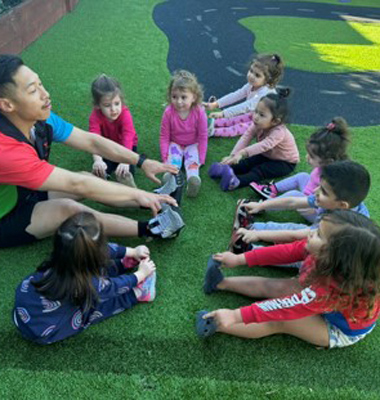
Early childhood is a critical time for learning, growth, and development. At preschool age, children learn best not through worksheets or rigid instruction, but through exploration, imagination, and meaningful experiences. This is where play-based learning becomes essential. It supports the way young children naturally learn and helps build a strong foundation for lifelong success.
At Smart Cookies Early Learning Centre, play-based learning sits at the heart of our educational philosophy, guiding children to become confident, curious, and capable learners.
Play-based learning is an early education approach where children learn through purposeful play experiences that are guided by educators. These activities are designed to encourage exploration, problem-solving, creativity, and social interaction.
Rather than focusing on memorisation or formal instruction, play-based learning allows children to:
Play may include building with blocks, role play, sensory exploration, outdoor play, storytelling, music, and art. While it looks fun and relaxed, every activity has learning intentions behind it.
Research in early childhood development consistently shows that young children learn best when they are actively engaged. Play stimulates brain development by strengthening neural connections and supporting memory, attention, and emotional regulation.
When children play, they are:
Neuroscience studies show that learning through play helps children retain information better than passive learning methods. Play also reduces stress, which allows the brain to absorb and process new information more effectively.
Play-based learning supports early literacy, numeracy, and thinking skills. For example, building blocks help children understand shapes and spatial awareness, while puzzles encourage problem-solving and logical thinking.
Through group play, children learn how to share, cooperate, negotiate, and resolve conflicts. These experiences help them build friendships and understand social boundaries in a safe environment.
Play allows children to express feelings, build resilience, and develop confidence. Role play helps them make sense of emotions and real-life situations, supporting emotional regulation and empathy.
Together, these benefits prepare children for a smooth transition into school and beyond.
At Smart Cookies Early Learning Centre, our educators thoughtfully plan play experiences that align with the Early Years Learning Framework. Each activity is designed to support children’s development while respecting their individuality and interests.
Our approach includes:
Our educators actively engage with children during play by asking questions, extending ideas, and encouraging reflection. This ensures play remains meaningful and educational while still being enjoyable.
Parents play a vital role in supporting play-based learning outside the early learning environment. Simple activities at home can reinforce the skills children develop at preschool.
Some easy ways to encourage learning through play include:
The key is to follow your child’s interests and let them lead the activity while offering gentle guidance and encouragement.
Play-based learning is more than just fun. It is a powerful and proven way for children to learn, grow, and thrive. By engaging children in meaningful play experiences, we nurture confident learners who are curious about the world around them.
At Smart Cookies Early Learning Centre, we are proud to provide a play-based curriculum that supports each child’s development and prepares them for a successful future.




Smart Cookies Early Learning Centre is committed to creating a safe, caring, and inclusive environment where every child feels valued, supported, and protected. We recognise that respecting and upholding the rights of every child is paramount in fostering trust, belonging, and wellbeing within our service.
We respectfully acknowledge the Traditional Custodians of the land on which we teach, learn, and play, and pay our respects to Elders past, present, and emerging.


