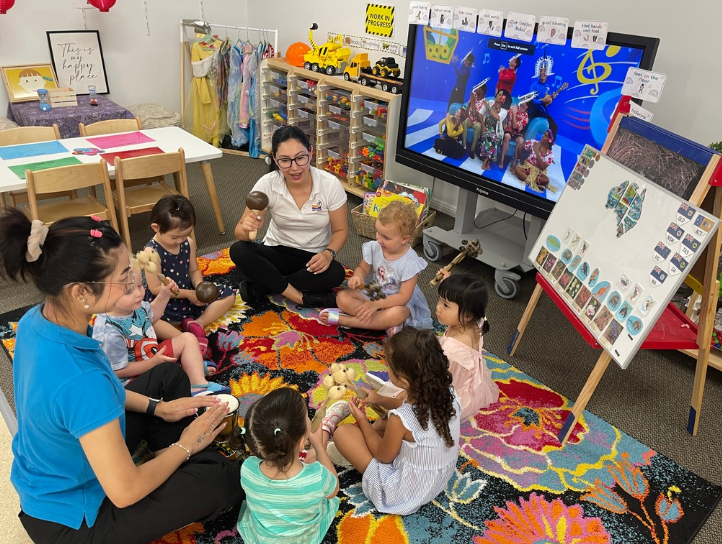
Children become more confident with nurturing relationships, experiences, and encouragement. Caregivers are another essential resource for building their confidence.
Whether you are a parent, educator, or early learning professional, your support and encouragement significantly impact a child’s confidence. Many other habits and practices, like how you deal with challenges, also contribute to their self-esteem.
We’ve listed some ways you can influence your child to help you better understand your role in encouraging confidence. Before this, learn why confidence is essential in early childhood.
Self-confidence in early childhood sets the stage for a lifetime of learning, growth, and social development. Confident children are more likely to:
At Smart Cookies Preschool Beecroft, we see firsthand how a confident child engages more deeply in play, participates enthusiastically in group activities, and thrives in structured and unstructured learning environments.
Children look to their caregivers for cues on how to behave, respond, and feel about themselves. Caregivers shape a child’s emotional world through:
Confidence can only grow when a child feels emotionally and physically safe. At Smart Cookies, caregivers create such environments by:
For example, when a child struggles to zip up their jacket, a supportive caregiver won’t take over immediately. Instead, they might say, “You’re doing a great job trying! I can help if you want.” This approach empowers the child to try again, developing confidence in their abilities.
One of the greatest gifts a caregiver can offer is the freedom to explore. In our Beecroft preschool, educators allow children to make choices, take small risks, and discover their preferences.
Activities like:
All encourage decision-making and build the sense of “I can do it!” essential to confidence. Our team supports without hovering, offering help only when needed so children learn to trust themselves.
How caregivers talk to young children has a lasting effect on how those children see themselves. Positive reinforcement doesn’t mean exaggerated praise but authentic, specific encouragement that helps children reflect on their efforts.
At Smart Cookies, instead of saying “Good job,” we might say:
Children learn by observing. If you practice and demonstrate confidence, self-care, and emotional regulation, children are more likely to emulate it.
When our educators at Smart Cookies handle challenges calmly, speak positively about themselves, and show persistence, children learn that it’s okay to make mistakes and that confidence comes from effort, not perfection.
Similarly, acknowledging emotions without judgment—“It’s okay to feel nervous about trying something new”—helps children understand their feelings are valid and manageable.
Young children thrive when they have strong, trusting relationships with their caregivers. At Smart Cookies Preschool Beecroft, we ensure that each child builds a secure attachment to at least one consistent educator.
This secure base gives children the confidence to:
Caregivers are often the first to notice small but meaningful milestones, like a child finally tying their shoelaces or resolving a conflict with a peer. Acknowledging these achievements encourages the child to keep striving without comparing.
While preschool caregivers play a key role, family collaboration enhances a child’s confidence-building journey. Smart Cookies fosters open communication between parents and educators through:
Smart Cookies is your answer if you’re looking for a nurturing preschool in Beecroft that prioritises your child’s emotional well-being and confidence. Our caregivers are mentors, guides, and emotional anchors who empower children to believe in themselves.
Book a tour online to preview our community in action.
Here are answers to some frequently asked questions about Smart Cookies Beecroft.


